Compare and contrast the PBR Model with the traditional budgeting model.
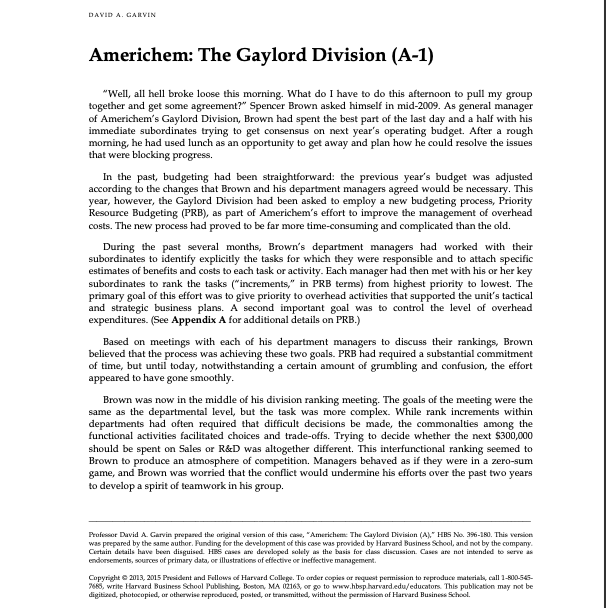
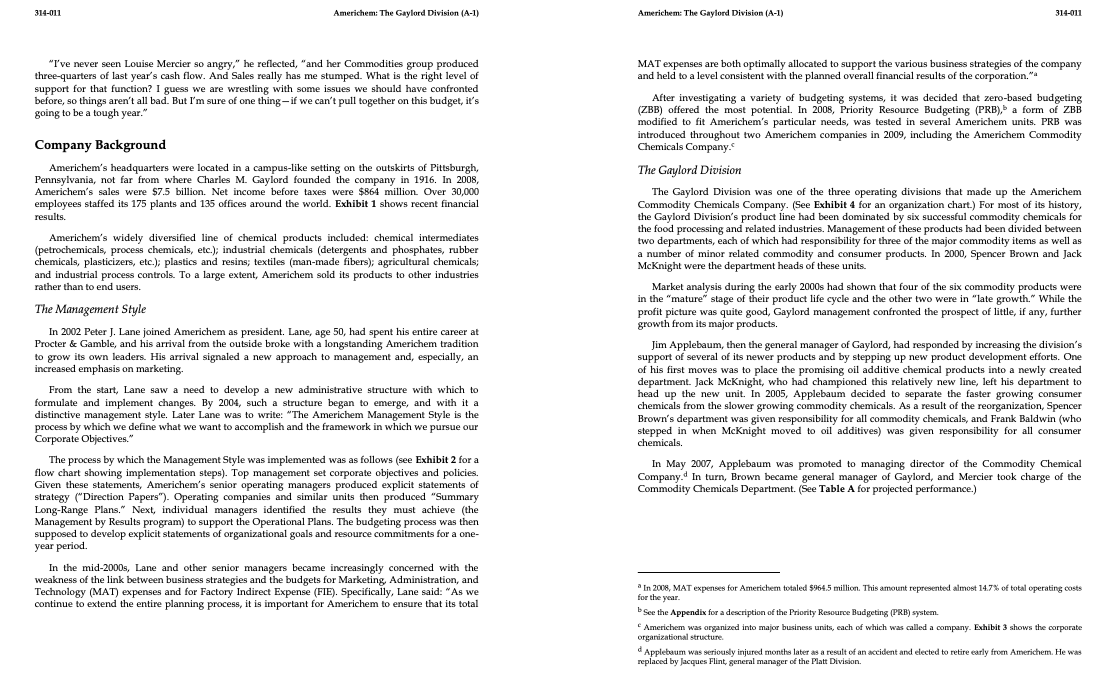
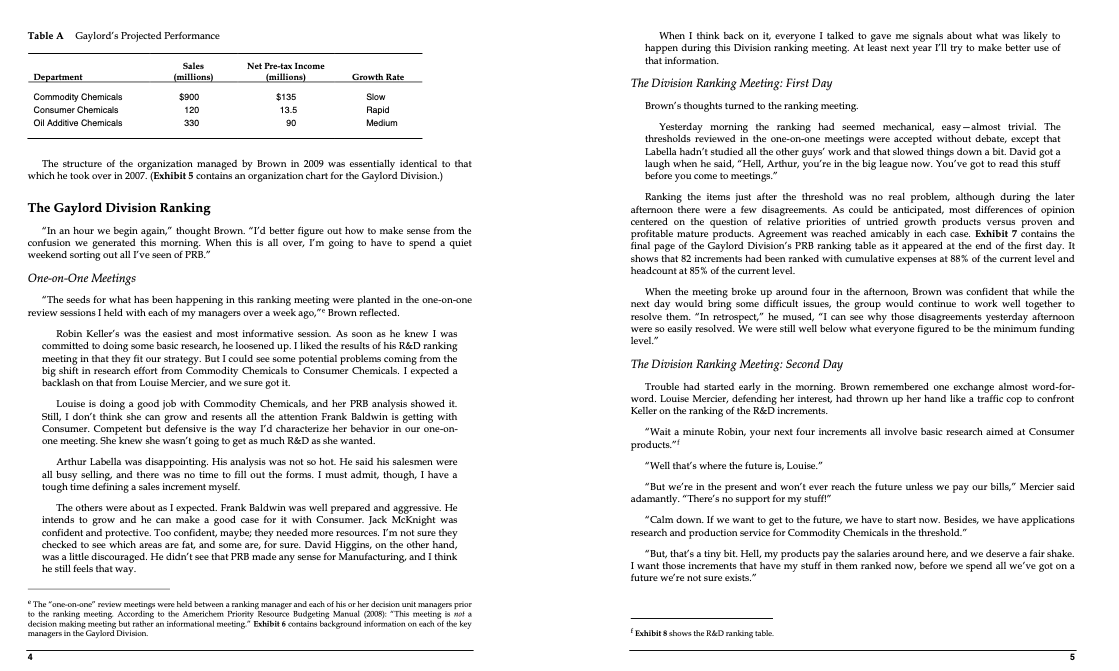
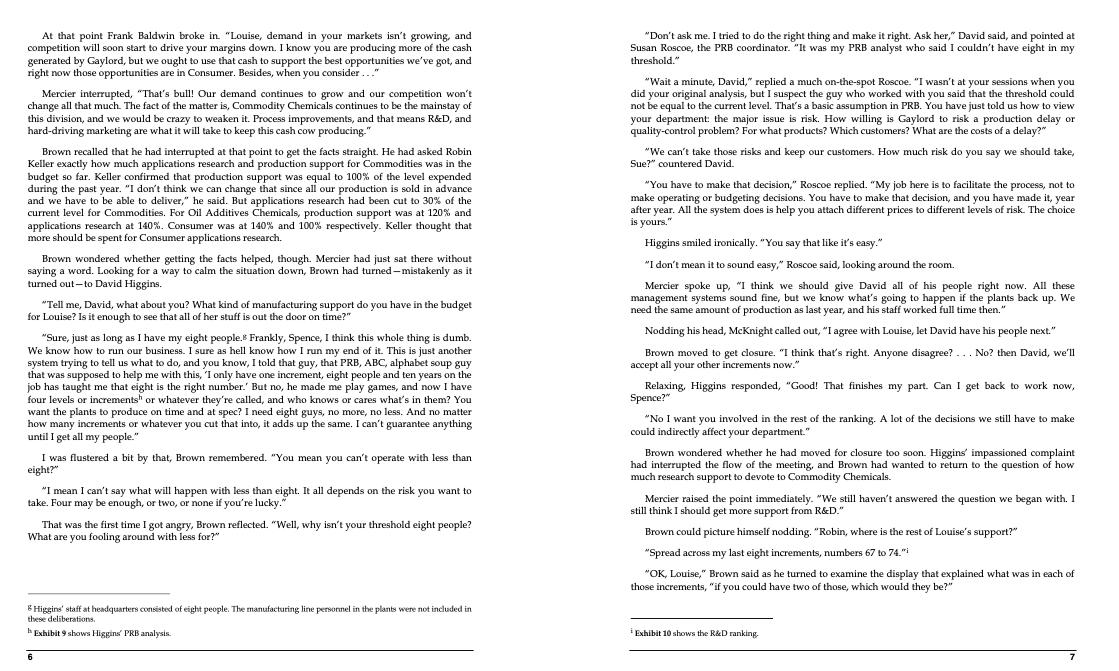
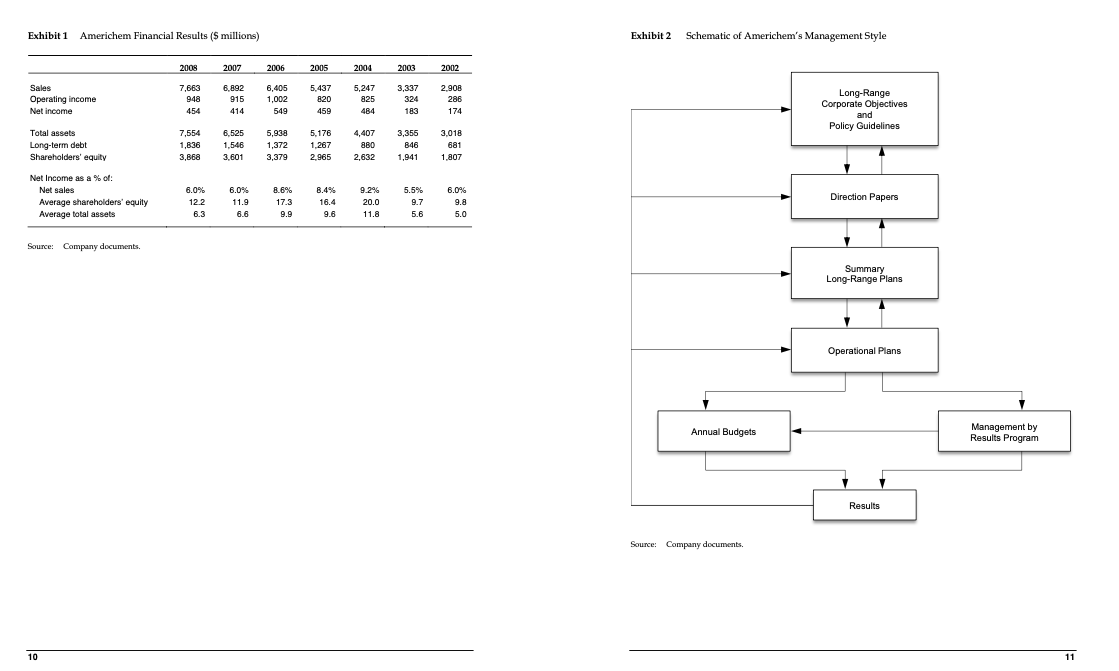
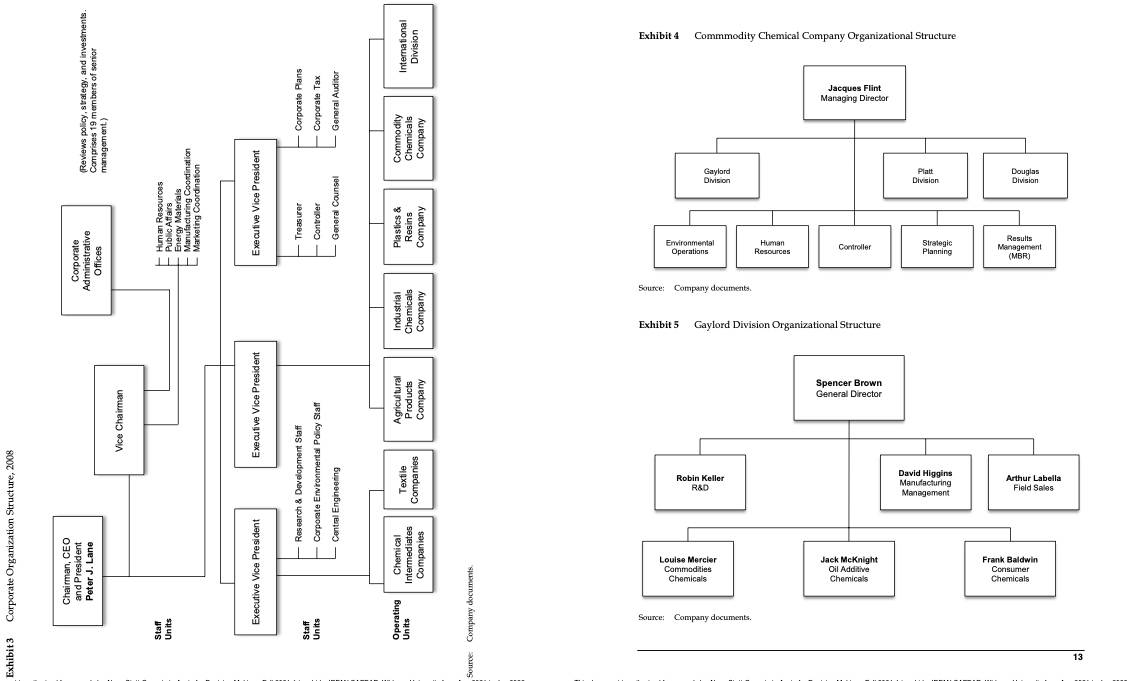
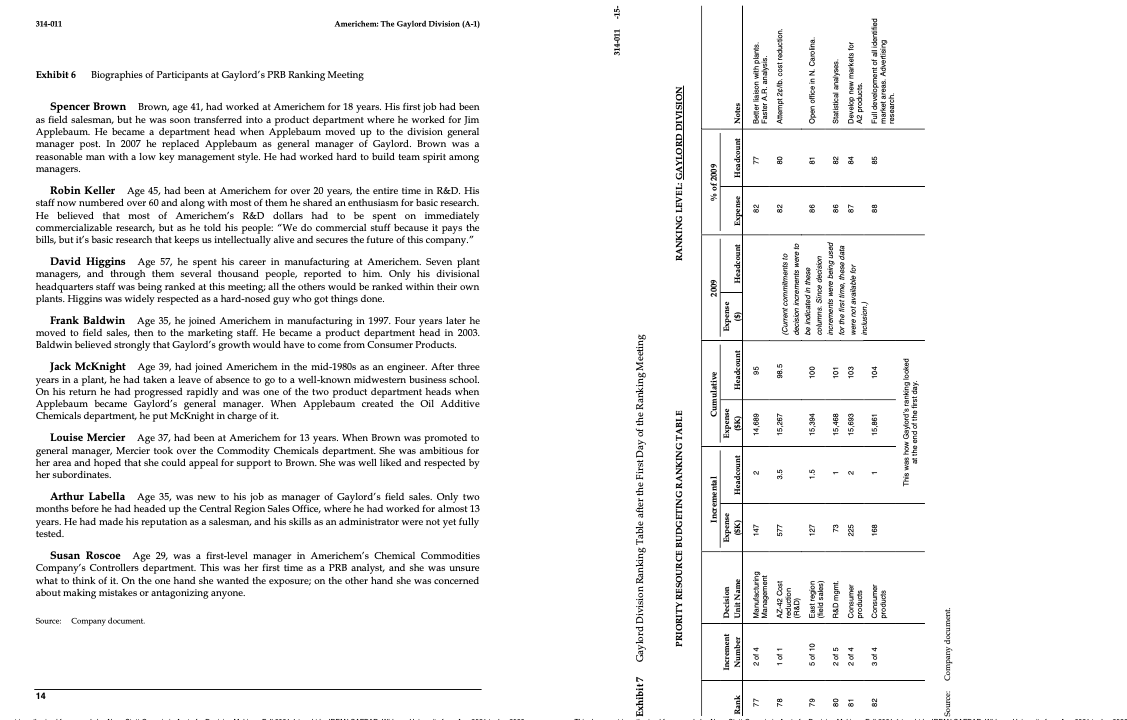
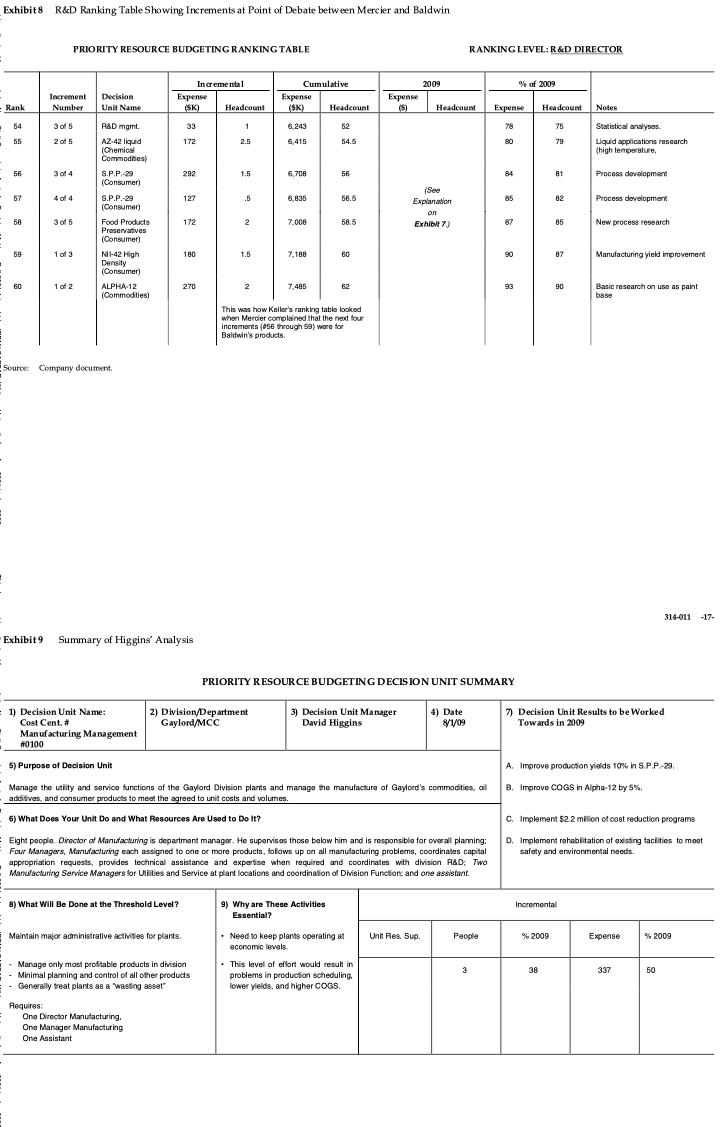
Read the case study, Americhem: The Gaylord Division (A-1), and prepare a short (less than three page) summary outlining the PBR budgeting solution. Compare and contrast the PBR Model with the traditional budgeting model.

What is traditional budgeting?
Traditional budgeting is the process of projecting your business’s revenue and expenses for the upcoming year based on your previous budget. A budget is an accounting tool that helps you predict and analyze your business’s earnings and expenses. By looking at your previous budget, traditional budgeting gives you a template to justify your predictions.
Your business tries to stick to its budget as closely as possible and avoid overspending. Having fewer expenses and/or more sales than your predictions is a good sign for your company.
Traditional budgeting isn’t the only type of budget you can create for your company. You can also use create a zero-based budget.
Zero-based budgeting, means you make your budget from scratch each year. Traditional budgeting takes considerably less time than zero-based budgeting because you have a template from the previous year.
Traditional budgeting process
The traditional budgeting system revolves around projecting sales and revenue, estimating expenses, and predicting profits. If you are an established business, use your previous year’s budget and adjust for inflation and changes in your business.
You can start the traditional budgeting process by looking at your previous budget’s revenue. How did your business’s actual revenue compare to the budgeted revenue? Make changes based on your actual earnings as well as changes in your business pricing strategy.
Next, you need to determine your business’s expenses. Look at both your fixed and variable expenses. Fixed expenses (e.g., rent) are the same each month while variable expenses (e.g., supplies) change each month. Examine your previous year’s expenses and take into account any changes in your expenses.
Lastly, project your business’s profits. You can find your projected profit by subtracting your estimated expenses from your estimated revenue.
If you have multiple departments or divisions, you will have different budgets (e.g., marketing). Your managers are in charge of their individual department’s budget. And, you will have an overall budget for your business that includes the total for each section.
Track your outcomes monthly or quarterly and compare with your projections. This can help you make changes to your company’s spending for the rest of the year.
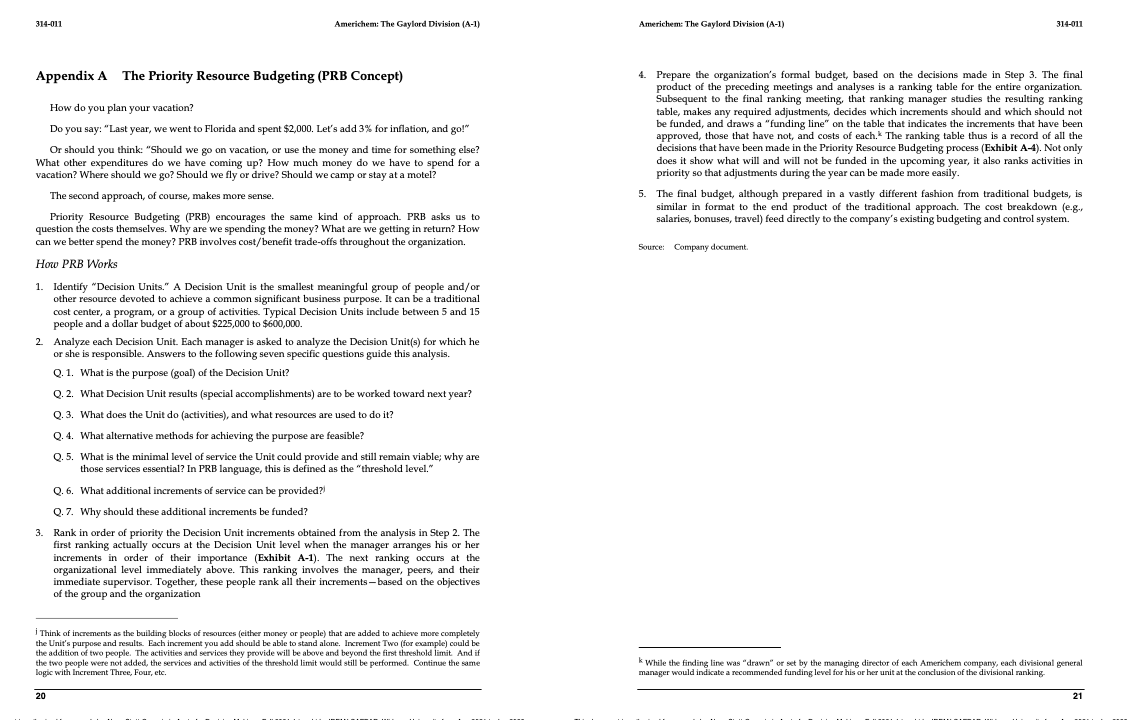
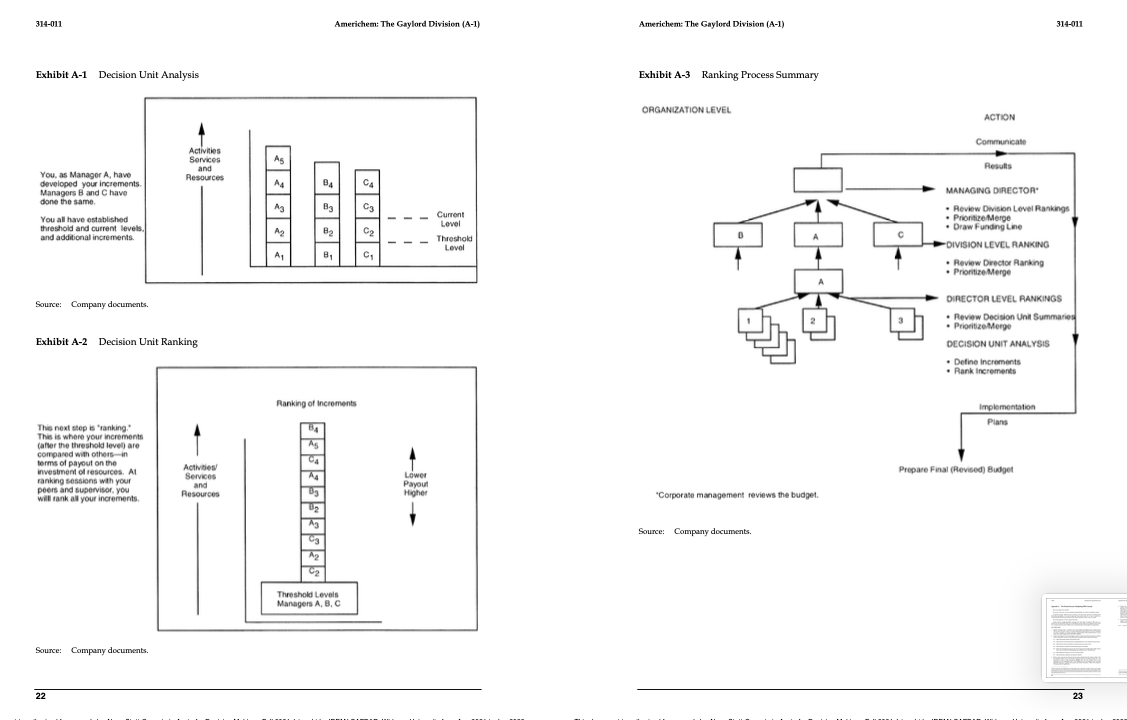
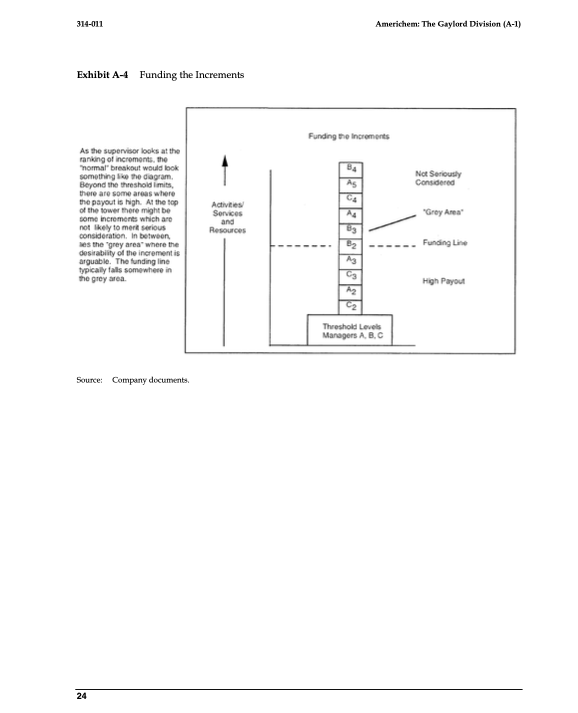
PBR budgeting solution can be found in case study.